
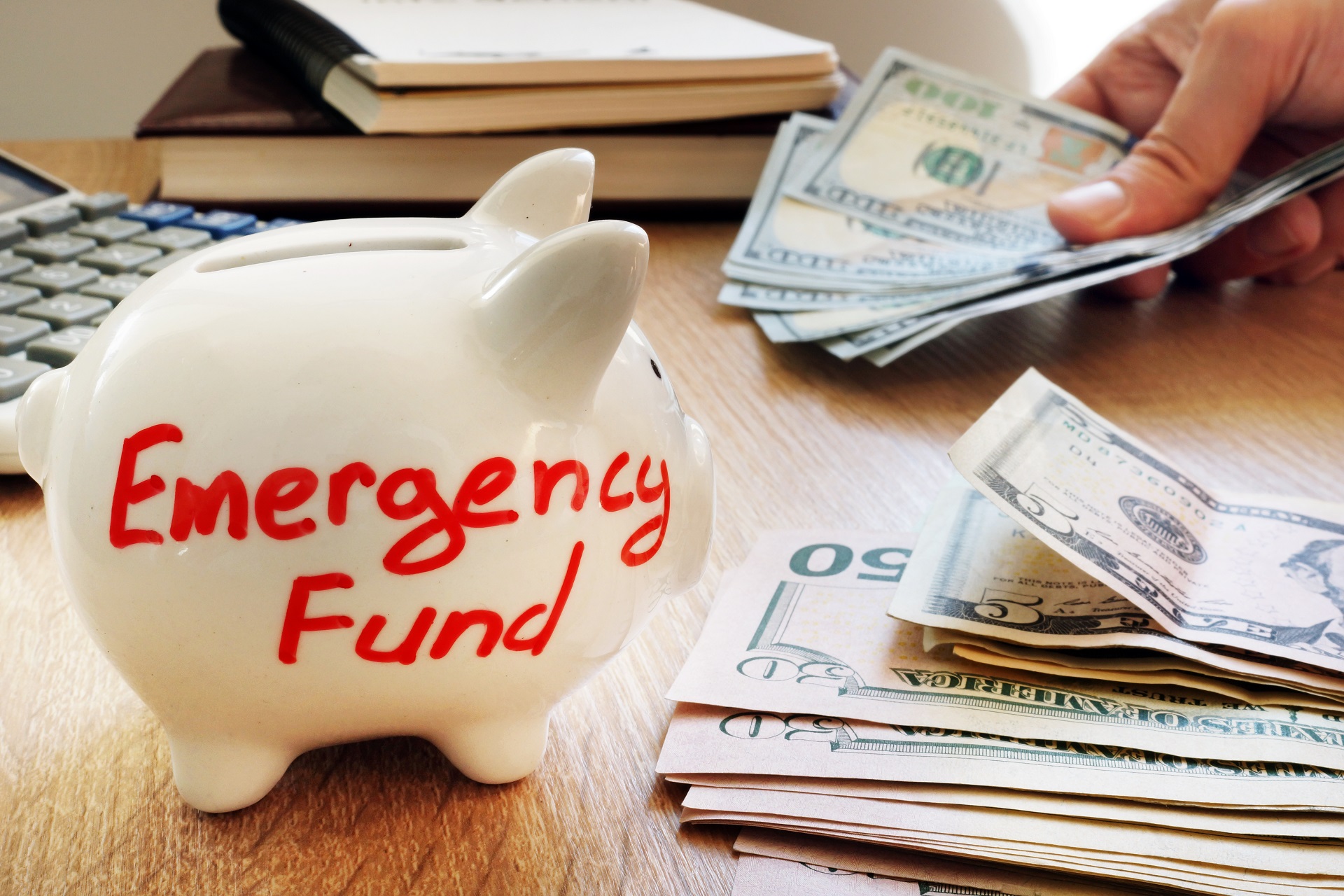
An emergency fund is a significant element in financial planning. It creates a financial safety net for sudden expenditure that may include health care costs, loss of income, maintenance and other unforeseen financial obligations.
A 1-year recurring deposit becomes an effective financial product for people who like regular monthly savings. But it is essential to keep in mind the trade-off between the predictability of returns and the need for liquidity as emergency funds can be withdrawn anytime.
What Is a Recurring Deposit?
Recurring Deposit is where one can deposit a certain amount in the account periodically, normally monthly, for a specific period.
The interest earned on the deposits depends upon the rate and period of deposits.
Unlike the savings account, one does not need to deposit or withdraw money as per requirement but should have a systematic way of saving money. It will help one save money even for their emergency fund without keeping a lump sum at once.
Things to Review Before Opening a Recurring Deposit
- Regular Saving
The first major benefit associated with the recurring deposit is that it helps cultivate the habit of regular savings. The amount to be saved every month and the period for which such deposits will be made till maturity is determined by you.
For instance, if the total amount you wish to save over one year is INR 60,000, then the monthly contribution may be roughly around INR 5,000.
- Provides Predictable Returns
The interest rate applicable to an RD is generally determined when the deposit is opened and applies according to the product’s terms. This can provide greater predictability when estimating the maturity value.
Read More: What Documents Are Needed for a Car Insurance Claim?
Before opening an RD, compare the applicable rate, tenure, minimum deposit requirements and premature withdrawal conditions. Interest rates can vary between banks and may change for new deposits.
- Creates Financial Discipline
Because an RD involves regular contributions, it can reduce the temptation to spend money that has been earmarked for emergencies.Automated monthly contributions can help turn emergency saving into a routine financial commitment. This can be useful for people who find it difficult to save consistently from their monthly income.
- Can Complement a Savings Account
An RD does not necessarily need to replace a savings account. In fact, using both can provide a balance between liquidity and disciplined saving.
You could keep a portion of your emergency money in a savings account for immediate expenses while using an RD to build an additional reserve over the year. A savings account provides easier access when an unexpected expense arises, while the RD encourages regular contributions towards a defined target.
A New Savings Account can therefore work alongside an RD as part of a broader emergency fund strategy.
- Suitable for Defined Short Term Goals
A 1-year RD has a clearly defined maturity date. This makes it suitable for someone who wants to build a reserve within a specific timeframe.
At maturity, the accumulated amount can be redirected towards the emergency fund or another financial objective. If the money is still needed for emergencies, it can be retained in a suitable liquid account.
Is an RD Enough for an Emergency Fund?
An RD should not necessarily be the only component of an emergency fund. The primary purpose of emergency savings is accessibility, and premature withdrawal from an RD may involve conditions, reduced interest or other applicable charges depending on the bank and product.
For this reason, keeping some money readily available in a savings account can be important. The appropriate split depends on your income stability, monthly expenses, financial obligations and expected emergency needs.
For example, you could maintain an immediately accessible cash reserve while contributing a fixed amount every month to an RD. Once the RD matures, you can move the proceeds into your readily accessible emergency reserve if required.
How Much Should You Save for Emergencies?
There is no single amount that works for everyone. Your emergency fund should reflect your essential monthly expenses, income stability and financial commitments.
If your essential expenses are INR 40,000 a month, a reserve covering several months of necessary expenses may be more appropriate than simply targeting a fixed rupee amount. Someone with variable income may prefer a larger emergency reserve than someone with a highly predictable income.
Read More: Lifestyle Inflation Is Silently Stealing Your Wealth – Here’s How to Spot and Stop It
A 1-year RD can help you work towards this target gradually, but the portion that must be immediately accessible should generally remain in a liquid form.
Conclusion
A recurring deposit can be a useful tool for building an emergency fund over one year because it combines regular contributions, financial discipline and predictable deposit returns. It can be especially helpful when you want to save a fixed amount every month rather than invest a large sum upfront.By combining readily accessible savings with disciplined monthly deposits, you can create a more structured approach to preparing for unexpected financial needs.
Disclaimer: Interest rates, premature withdrawal rules and other RD terms may vary between banks and can change over time. Please check the applicable terms and conditions with the bank before opening a recurring deposit.